Power Your California Home.
Protect What Matters.

California Solar & Battery | ES Solar
California homeowners are looking for smarter ways to manage electricity costs, prepare for power outages, and make better use of the energy their homes produce. ES Solar helps homeowners explore solar panels and backup battery storage designed around their home, energy usage, utility provider, and long-term goals.
With an integrated solar and battery system, you can generate electricity during the day, store excess energy for later use, and keep selected essential circuits powered during an outage when your system is properly equipped.
Solar panels. Home battery backup. Energy savings.
Why California Homeowners are Choosing Solar and Battery Storage
1. Generate electricity at home
Solar panels convert sunlight into electricity you can use to power your home, potentially reducing the amount of electricity you purchase from your utility.
2. Store energy for later
A home battery can store excess solar energy for evening use, when solar production drops and household electricity demand may increase.
3. Prepare for power outages
A properly configured battery system can provide backup electricity during grid outages. Actual backup duration depends on battery capacity, household loads, solar conditions, and system configuration.
4. Manage when you use electricity
Depending on your utility rate plan and battery settings, stored energy may help reduce purchases during more expensive periods.
California Solar Incentives and Battery Rebate Program
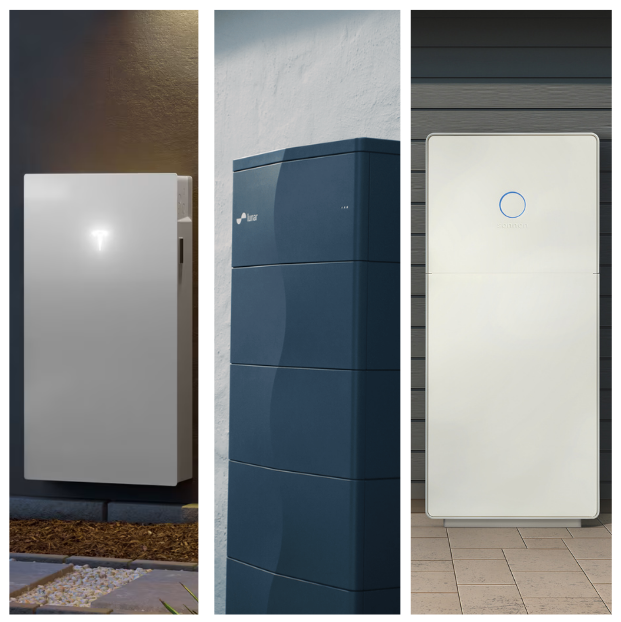
California homeowners may qualify for utility incentives, battery storage rebates, demand-response programs, and income-qualified energy programs. The options available depend on your electricity provider, location, income eligibility, battery model, and program funding.
Important: Incentives are not guaranteed, and not every program is open to every homeowner. Check the official program website for current funding, application requirements, and enrollment deadlines before making a purchase.
ES Solar can help California homeowners understand their solar and battery options, review potential utility program fit, and plan a system around their home’s energy needs. Incentive approval is determined by the applicable utility or program administrator, not by the installer.
1. SMUD – Sacramento-area homeowners
SMUD’s My Energy Optimizer Partner+ program offers incentives to eligible residential battery customers who meet program requirements.
SMUD’s published program information says the one-time enrollment incentive is up to $6,000 for qualifying projects submitted for interconnection on or after September 23, 2026. A higher incentive of up to $10,000 applies to projects meeting the earlier submission deadline and other requirements. Some Tesla battery participants may also qualify for quarterly incentives.
Battery must meet program requirements.
Enrollment and interconnection deadlines matter.
- Customers must meet the applicable SMUD rate and participation requirements.
2. PG&E – Northern and Central California
PG&E customers may be eligible for battery storage incentives through California’s Self-Generation Incentive Program (SGIP).
Depending on the active program budget and eligibility category, SGIP may support a portion of battery installation costs. Some programs focus on income-qualified households or customers affected by wildfire-related outages. PG&E’s published information also identifies program categories with different eligibility requirements and funding status.
General-market and equity-related programs have different requirements.
Certain solar customers may need to transition to the Solar Billing Plan.
- Funding availability can change, and some application categories may be closed or waitlisted.
3. Southern California Edison (SCE)
SCE customers can investigate SGIP and other utility-specific energy programs. Eligibility may depend on household circumstances, battery installation details, location, and available funding.
4. San Diego Gas & Electric (SDG&E)
SDG&E customers can check SGIP and other available energy programs through the utility and its designated program administrator.
5. California State Programs and Income-qualified options
California’s SGIP is a key resource for battery storage incentives. The CPUC also lists resources for income-qualified solar and community energy programs, including options for qualifying customers in disadvantaged communities.
Program eligibility, application windows, and funding vary. Review the current state program information before assuming a rebate is available.
How ES Solar can help
ES Solar can help California homeowners understand their solar and battery options, review potential utility program fit, and plan a system around their home’s energy needs. Incentive approval is determined by the applicable utility or program administrator, not by the installer.
Before signing a contract, ask:
Which incentives are open and accepting applications today?
Does the proposed battery model qualify?
Who submits the application, and when must it be submitted?
Is the incentive paid upfront, applied to project costs, or paid later?
Are there enrollment, utility-rate, or battery-dispatch requirements?

Is Solar Still Worth it in California?
Solar can still be a good option for California homeowners, but the financial benefits depend on how much electricity your home uses, your utility’s rate plan, your solar production, battery costs, and any incentives you qualify for.
California’s Solar Billing Plan, also known as Net Billing or NEM 3.0, generally makes the timing of electricity use and export more important for customers covered by that tariff. Exported solar energy is compensated according to applicable export rates rather than the traditional one-for-one retail credit model. A battery can help homeowners store more of their solar production for use later.
For homeowners evaluating a new system, ES Solar recommends reviewing the whole energy picture rather than focusing only on the number of solar panels.
Solar-only system: Can reduce electricity purchases while the system is generating power.
Solar plus battery: Adds energy storage, more control over when electricity is used, and backup capability when properly configured.
- Battery added to existing solar: May help homeowners make better use of their existing solar production, subject to system compatibility and utility rules.
Why Choose ES Solar For Your California Home?
ES Solar helps homeowners explore solar energy, battery backup, and related home energy services through an integrated, in-house approach. Unlike a fragmented process involving multiple independent providers, ES Solar’s all-in-house approach brings key stages of your project together. Our teams work collaboratively to help create a more coordinated experience, maintain accountability, and provide a clear point of contact throughout your solar journey.
One company from start to finish
ES Solar brings sales, design, engineering, installation, maintenance, monitoring, and service together under one company, helping homeowners navigate the solar process.
Solar and battery solutions
Explore solar panels and home battery storage designed around your electricity usage, backup priorities, and utility requirements.
Warranty-focused solutions
ES Solar emphasizes lifetime warranties on qualifying products and offers. Ask for the specific product warranty, exclusions, and coverage terms associated with your proposed system.
Ongoing service and support
Monitoring, maintenance, system inspections, and service options can help homeowners understand their system’s performance over time.
ES Solar has served homeowners for more than 16 years and offers solar and battery solutions alongside related roofing and solar service options. The goal is to help homeowners make informed decisions about energy costs, backup power, and the long-term performance of their home energy system.
Frequently asked questions about California solar and batteries
These short, direct answers are intentionally written to support featured snippets, voice search, and AI-generated search results.
California homeowners may be eligible for utility programs, the Self-Generation Incentive Program (SGIP), battery demand-response incentives, and certain income-qualified energy programs. Availability depends on the utility, household eligibility, equipment, and current program funding.
The former federal residential clean energy tax credit does not apply to property placed in service after December 31, 2025.
SMUD’s My Energy Optimizer Partner+ program offers eligible residential battery customers a one-time enrollment incentive, subject to equipment, interconnection, enrollment, and utility-rate requirements. Published incentive levels vary by project submission date. Check the official SMUD program page for current amounts and eligibility.
Potentially. PG&E administers SGIP offerings for qualifying battery storage installations. Incentives vary by program category, eligibility, and available funding; some categories may be closed or have waitlists.
A properly configured battery system can power selected circuits or, if designed for it, more of the home during an outage. Backup duration depends on the battery’s usable capacity, power output, household consumption, and whether solar panels can recharge the battery during the outage.
Often, yes. Compatibility depends on your inverter, electrical panel, battery technology, system configuration, and utility interconnection requirements. An assessment can determine which options are practical.
Not necessarily. Customers may still have fixed charges, utility delivery charges, electricity purchases, or other applicable fees. Actual savings depend on system production, energy usage, utility tariffs, and financing costs.
A battery may be especially valuable for homeowners who want backup power, use electricity during expensive evening periods, or can participate in a suitable utility incentive program. The best choice depends on the cost of the system, the household’s priorities, and the expected financial benefits.
Start with your utility’s official program page and the CPUC’s SGIP resource. ES Solar can help homeowners review their project requirements and identify relevant programs, while the utility or program administrator confirms eligibility and approves incentives.

One Company. Every Step of the Way.
Every household uses electricity differently. Our team can help you explore solar panels and battery storage based on your energy consumption, utility rate plan, backup power priorities, and available installation options.
At ES Solar, we strive for 100% customer satisfaction an important part of how we approach our work. From your initial consultation through installation and ongoing service, our goal is to provide clear communication, professional support, and solutions that align with your home’s energy goals.
Request a free consultation with ES Solar to discuss your energy goals, evaluate potential solutions, and learn which utility programs may be relevant to your home.