Solar Batteries and Power Outages
Maintaining Household Power and Food Preservation During Electrical Disruption
Key Considerations for Homeowners Regarding Texas Storms and Grid Reliability
Is battery storage necessary for solar installations in Texes?
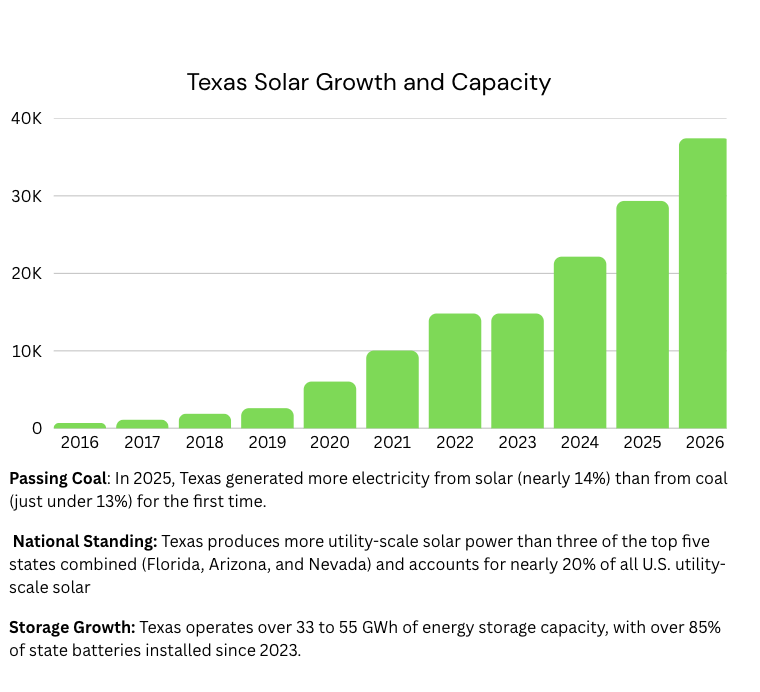
In recent years, solar energy adoption in Texas has experienced significant growth. Annual installations have consistently exceeded 20,000 units since 2021, eventually doubling to surpass 40,000 in the last two years. Consequently, many residents are reallocating financial resources toward sustainable home solutions rather than facing escalating utility expenses. Many customers are wanting to localize and have control of their power.
Texas is particularly well-suited for solar panel installations due to its abundant sunshine, which offers substantial benefits to homeowners. During the summer months, the region experiences five to six sunny days per week, and even in the winter, it maintains approximately three sunny days per week. This consistent sunlight makes solar energy an ideal solution, allowing panels to power entire households while effectively mitigating the burden of high electricity bills.
At ES Solar, our mission extends beyond mitigating the impact of rising energy costs on consumers. We are dedicated to promoting cleaner, lower-emission energy solutions. By integrating solar panels and advanced battery storage systems, we enable residential solar power generation without reliance on fuel combustion. Ultimately, our goal is to lower fossil fuel emissions and contribute to the diversification of Texas’s energy infrastructure.
Can solar batteries sustain household power during a grid outage?
When investing in a solar energy system, incorporating battery storage is highly recommended to maintain continuous power during outages. Beyond generating long-term financial savings, battery systems ensure uninterrupted electricity service for essential household appliances when localized grid failures occur. ES Solar utilizes battery technology to store surplus electricity generated by rooftop solar panels, providing seamless backup power to the home.
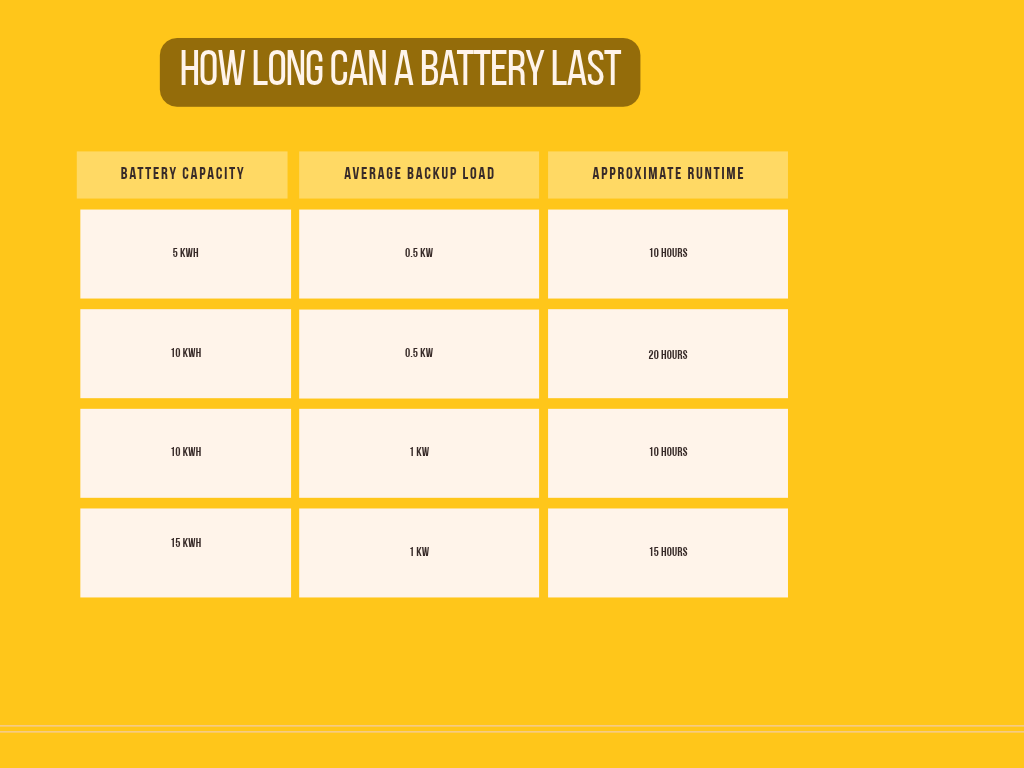
How long can a residential solar battery system provide backup power during a grid outage?
Determining the appropriate type and quantity of batteries for a home depends on the required duration and magnitude of backup power during an outage. Essential appliances, such as lighting and refrigeration, consume significantly less energy than high-demand loads like central air conditioning, electric heating, or electric ovens. Consequently, identifying priority loads is critical when designing a residential energy storage solution.
Comparative Analysis: Solar Energy Storage Systems and Standby Generators
When developing an emergency preparedness plan for power outages, solar energy systems offer a reliable execution strategy. For short-term outages, battery storage provides near-instantaneous power transfer, whereas conventional standby generators typically require a warm-up period before assuming the electrical load. In the event of prolonged outages, solar energy systems remain superior; unlike fuel-dependent generators, solar batteries can continuously recharge using available sunlight, providing sustainable extended backup power.
At ES Solar, helping homeowners understand their energy needs is an important consideration when evaluating battery storage options. Assessing which appliances need backup power and how long they must operate can help determine the appropriate battery capacity for a household.
For Texas homeowners considering backup options, ES Solar can be part of the conversation about evaluating solar energy and battery storage to support household energy needs during grid disruptions.
The role of solar generation and energy storage systems in maintaining resilience during severe weather events.
During the hot Texas summer months, pairing solar panels with battery storage offers significant advantages. Solar power directly supports daily household energy needs while the sun is shining, while the battery system ensures critical appliances—such as air conditioning and refrigeration—remain operational during an electrical grid outage. Similarly, during colder weather conditions in Texas, energy storage systems help maintain home heating. Furthermore, when severe weather events such as hurricanes disrupt grid infrastructure, ES Solar battery equipment remains operational to provide reliable backup power to the home.